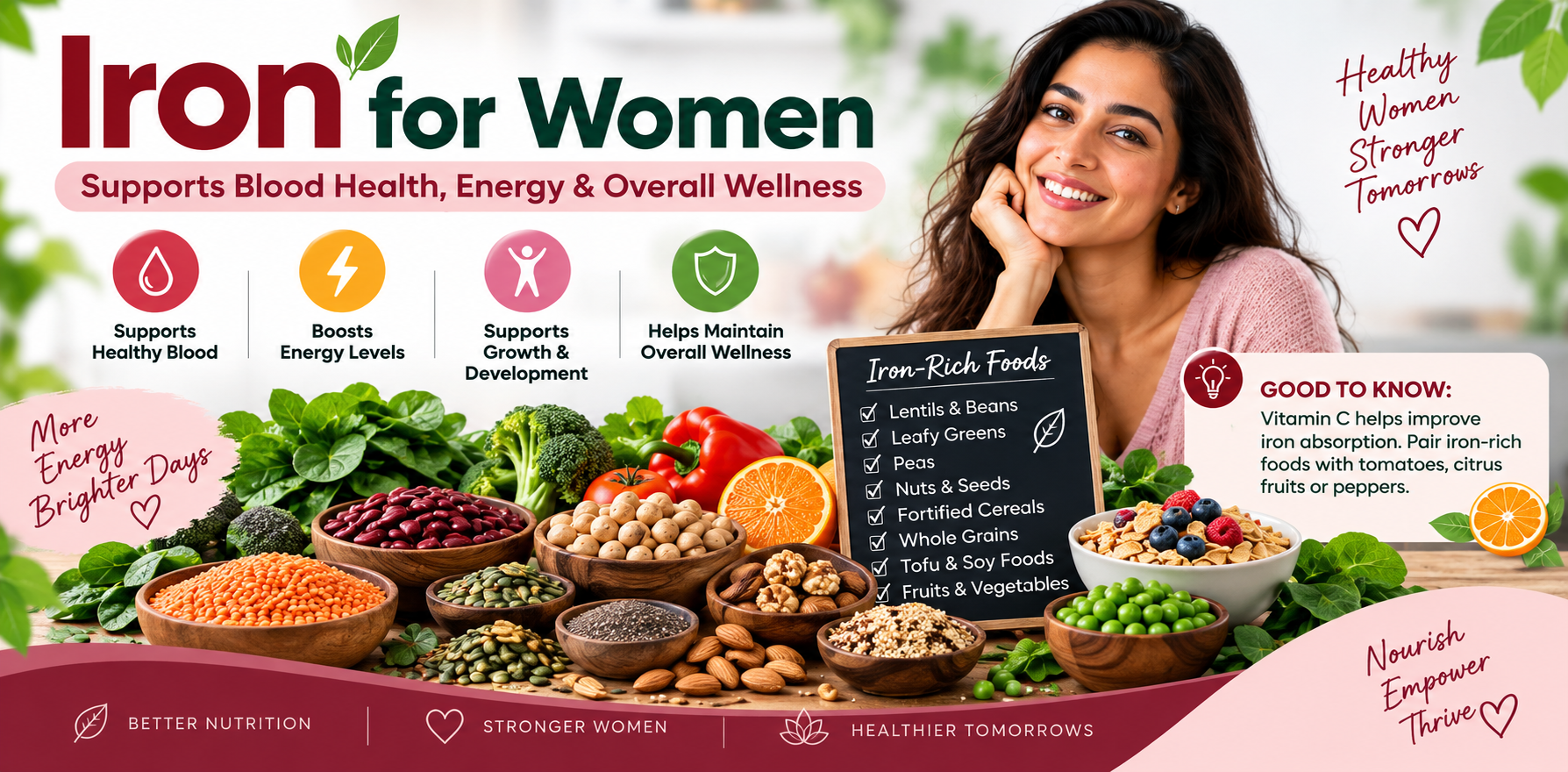
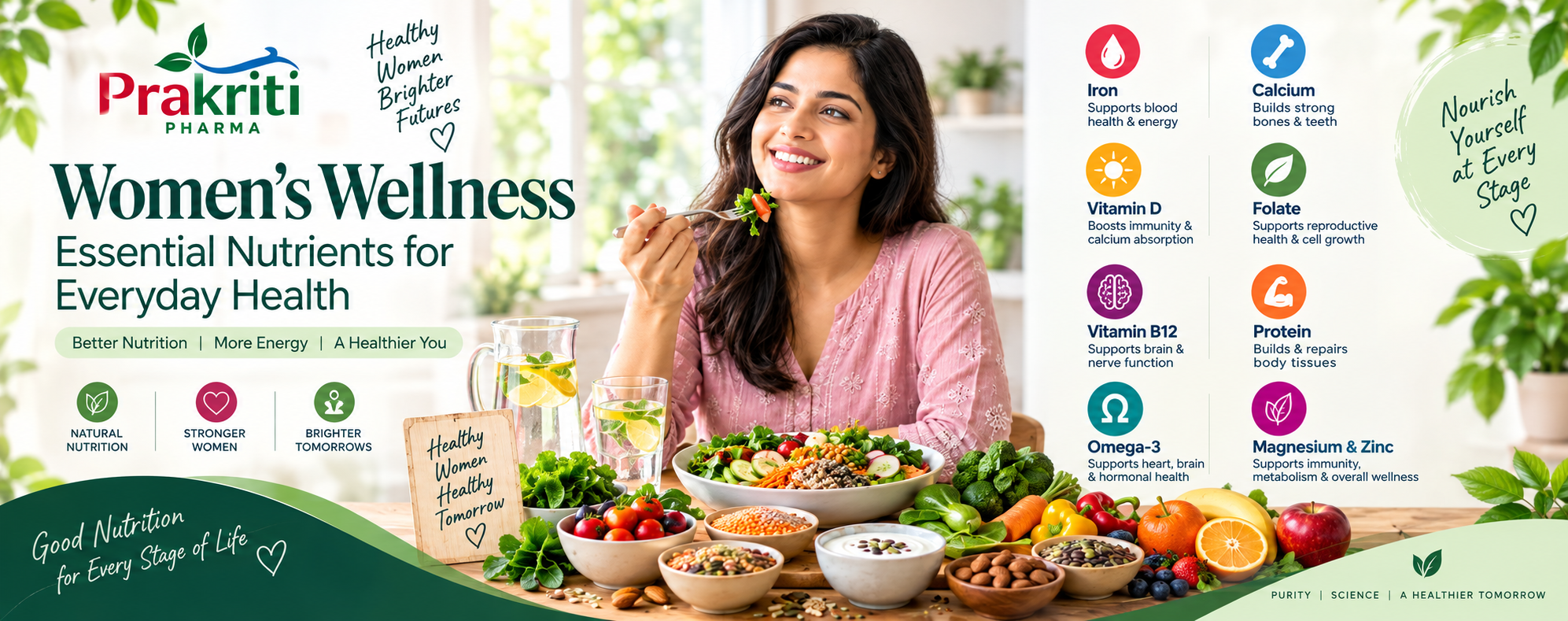
Iron: An Important Nutrient for Blood and Energy
Iron is an essential mineral involved in the production of haemoglobin, a protein in red blood cells that carries oxygen throughout the body. It also supports normal growth and development.
Women of reproductive age may have increased iron requirements because of menstrual blood loss. According to the NIH, the recommended dietary allowance for women aged 19–50 is generally 18 mg per day, compared with 8 mg for adults aged 51 and older. Iron requirements are higher during pregnancy.
Zinc: Supporting Normal Immune Function
Zinc is a mineral involved in numerous biological processes, including normal immune function, wound healing, and DNA and protein synthesis.
Obtaining zinc from a varied diet can contribute to overall nutritional adequacy.
Zinc Food Sources
Common sources include:
- Dairy products
- Eggs
- Meat
- Seafood
- Beans
- Nuts
- Seeds
- Whole grains
Dietary requirements differ among individuals. Women who have restricted diets or specific nutritional concerns may benefit from personalised dietary advice.

Leave A Comment